French Roulette Calculator
Use this tool to estimate odds, payouts, RTP, house edge and expected loss on a single-zero wheel. It compares standard play with both French zero rules, including release, continued imprisonment or loss if zero repeats while a stake is held.
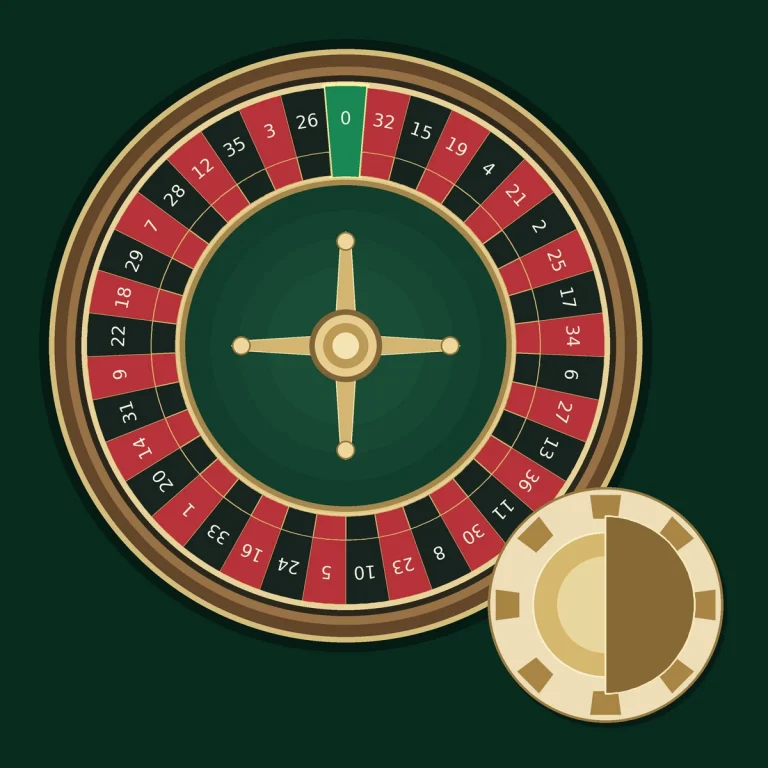
French roulette rules at a glance
French roulette uses a 37-pocket single-zero wheel: green 0 plus numbers 1–36. The raw wheel probabilities are therefore the same as standard European roulette, and the wheel and table layout guide shows the shared single-zero structure and number arrangement.
Standard chip placements and winning payout ratios also follow normal roulette conventions. Use the roulette bet-placement guide for inside and outside coverage, and the roulette payout calculator when the main question is stake-specific net profit or gross return.
The French distinction is optional zero treatment on qualifying even-money bets. A table may offer la partage, en prison, neither rule, or its own documented repeated-zero procedure. The roulette rules guide covers the full round and settlement flow; the calculator below isolates the French zero-rule mathematics.
How to play French roulette
- Choose a single-zero table and confirm which zero rule, if any, is posted.
- Place a normal roulette wager before betting closes.
- If a non-zero winning pocket lands, settle the bet at the standard listed payout.
- If zero lands on a qualifying even-money wager, apply the posted standard, la partage or en prison treatment.
French roulette calculator for zero rules
Select a bet, rule mode, stake and count. Under en prison, the count means new wagers, each followed through to final settlement; also choose what happens if zero repeats. The wheel remains fixed at 37 pockets.
A $10.00 red/black bet on French roulette covers 18 of 37 pockets. With la partage, zero returns half the stake, so the house edge on this even-money bet is about 1.35%.
French single-zero tables can also support racetrack sectors and announced packages that are built from several standard chip positions. The roulette call-bets calculator breaks Voisins, Tiers, Orphelins, Jeu Zéro and neighbour selections into their component stakes and covered pockets.
How this French roulette calculator works
The calculator uses a fixed 37-pocket wheel. That means the raw probability of landing on any number is the same as European roulette: one zero plus numbers 1 to 36. The roulette probability calculator handles exact hit counts and losing-run risk for that shared denominator.
The difference is zero treatment. Under standard single-zero rules, zero is a full loss on even-money bets. Under la partage, zero returns half of the stake immediately. Under en prison, zero postpones settlement and carries the stake into the next wheel result.
The French roulette calculator enables special rule modes only for even-money selections. Other bets use the normal single-zero house edge, and the rule selector returns to standard mode so the interface cannot imply otherwise. The RTP and house-edge comparison places all three en prison models beside standard European and American returns.
Standard single-zero edge = 1 / 37 = 2.70% La partage edge = 1 / 74 = 1.35% Repeat zero releases stake: en prison edge = 18 / 1369 = 1.31% Repeat zero stays held: en prison edge = 1 / 74 = 1.35% Repeat zero loses: en prison edge = 19 / 1369 = 1.39%La partage vs en prison
La partage settles zero immediately. Half of an even-money stake is returned and half is lost, producing an exact long-run edge of 1/74, or about 1.35%.
The en prison rule defers settlement. If zero lands, the stake remains held for a later result. A winning side releases the original stake without profit, while a losing side loses it. Keeping a stake held after another zero here means the same single level of imprisonment; this calculator does not model double or multi-level imprisonment.
Repeated zero is the key table-level variation. If it releases the stake without profit, the edge is about 1.31%. If the stake remains imprisoned—or the repeat is settled by returning half—the edge is 1.35%. If a repeated zero loses the held stake, the edge rises to about 1.39%.
Which bets the rules affect
This table shows when the special French zero rules matter. The main error to avoid is applying the reduced-edge rule to every bet on the table.
| Bet type | Covered numbers | Standard edge | Zero-rule effect | Resulting edge |
|---|---|---|---|---|
| Inside bets | 1–6 | 2.70% | Neither special rule modifies the bet | 2.70% |
| Dozen or column | 12 | 2.70% | Zero remains a losing result | 2.70% |
| Even-money bets | 18 | 2.70% | La partage returns half; en prison holds the stake | 1.31%–1.39% |
French roulette vs European roulette
French and European roulette usually use the same single-zero wheel, so the raw probability of the spin outcome is the same. A straight number is 1 out of 37, and an even-money bet covers 18 out of 37 pockets.
The practical difference is zero treatment. Standard European roulette usually treats zero as a full loss on even-money bets, while French zero rules can soften that result.
For inside bets, dozens and columns, French roulette should not be assumed to have a lower edge. The reduced edge belongs to even-money bets under the relevant table rule. Use the European single-zero calculator for the same 37-pocket wheel without French zero treatment.
French roulette vs American roulette
American roulette has 38 pockets because it includes both 0 and 00. French roulette uses one zero, so the base wheel is already stronger mathematically before special rules are considered.
Regular American roulette has a 5.26% standard edge, while standard single-zero roulette has a 2.70% edge. With la partage on even-money bets, French roulette can reduce that specific edge to about 1.35%.
This makes French even-money betting one of the lower-edge standard roulette formats, assuming the table actually offers the rule being calculated.
Zero outcomes in French roulette
Zero is the key reason a standard single-zero even-money bet has a 2.70% edge. The bet covers 18 winning pockets, loses on the opposite 18 pockets and also loses on zero.
La partage changes only that zero result: half the stake is returned immediately. En prison instead delays settlement and carries the original stake forward.
The physical chance of zero remains 1 in 37 under every mode. The rule changes the financial consequence, not the wheel probability.
Follow one $10 bet on red after zero
These examples follow one original wager without placing a new bet during its imprisonment. An extra wager would need separate accounting. A stake still held has not yet settled as a win, return or loss.
10 new wagers × $10 = $100 newly stakedWith continued imprisonment: expected loss = $100 / 74 ≈ $1.35 after settlementThose ten wagers may take more than ten physical spins. Do not enter a ten-spin time window and read this expectation as a forecast of cash available when that window ends. Fractional-cent half returns are mathematical values; the table's denomination and rounding rules govern actual settlement.
When comparing casino tables with French zero-rule options, read the individual game's rules for qualifying bets and repeated zero. The table name alone does not establish either rule.
A staking progression may need its own bookkeeping convention for a half-loss or an imprisoned stake, but that convention belongs to the staking system rather than to the casino rule itself. The rule model on this page therefore stops at the financial treatment of the roulette wager and does not prescribe how a player should alter the next stake.
| Rule | Initial zero | Follow-up winning side | Follow-up losing side | Repeated zero |
|---|---|---|---|---|
| Standard | Full stake lost | — | — | — |
| La partage | Half returned, half lost | — | — | — |
| En prison | Stake held | Original stake returned without profit | Imprisoned stake lost | Released, held again or lost, depending on the selected table model |
Common questions about French roulette
Which bets qualify for la partage or en prison?
The special zero treatment applies to even-money bets: red/black, odd/even and high/low. Straight, split, street, corner, six line, dozen and column bets retain the standard single-zero edge.
Does en prison change the chance of winning?
No. An even-money bet still has 18 winning pockets out of 37. En prison changes what happens after zero; it does not change the physical distribution of wheel outcomes.
What happens if zero lands twice under en prison?
Table rules vary. The imprisoned stake may be released without profit, remain held for another spin or be lost. The calculator models all three outcomes, producing an edge from about 1.31% to about 1.39%. A repeated zero settled by returning half has the same 1.35% edge as continued imprisonment.
Is la partage the same as surrender?
The financial effect is similar: half the even-money stake is returned when a zero result triggers the rule. La partage is associated with single-zero French roulette, while surrender is used at some double-zero tables and can apply when 0 or 00 lands.
Does French roulette always have a 1.35% house edge?
No. La partage gives even-money bets an edge of about 1.35%. Depending on repeated-zero treatment, en prison is about 1.31%, 1.35% or 1.39%, while non-even-money bets normally keep the standard 2.70% single-zero edge.
Was this tool helpful?
What went wrong?
For calculation problems, inputs and results are attached to your report.