European Roulette Calculator
Use this calculator to estimate odds, payouts, net profit, expected loss and zero outcomes on a standard 37-pocket wheel. It separates ordinary 1–36 bets from the single-zero layout bets instead of treating every straight, split or four-number position as interchangeable.
Calculate single-zero odds and returns
Select a position, stake and number of spins. The tool calculates one-spin probability, winning return, zero treatment, multi-spin hit chance and expected loss.
A $10.00 straight bet on 1–36 covers 1 of 37 pockets. If it wins, the net profit is $350.00 and the gross return is $360.00. Zero is a losing result for this position.
European roulette rules and the 37-pocket wheel
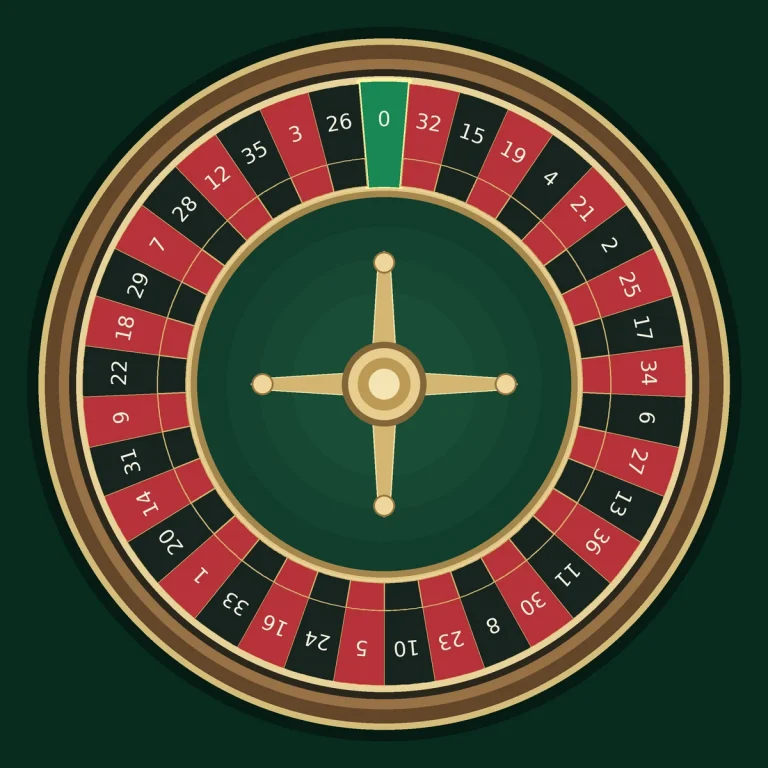
European roulette is the standard single-zero version of the game. Its wheel has 37 pockets: one green 0 plus numbers 1–36, with eighteen red and eighteen black numbered pockets. The European roulette wheel and table layout shows the exact circular sequence, zero area, rows, columns and number colors.
The listed payout schedule is the normal fixed-payout roulette schedule, so ordinary single-zero bets share the same 2.70% house edge even though their hit rates and payouts differ. French roulette normally uses the same 37-pocket wheel but may add special zero treatment; use the French roulette calculator when la partage or en prison is actually offered.
How to play European roulette
When comparing single-zero roulette options at online casinos, check the exact table's payout schedule and zero treatment. This preset applies to standard fixed payouts with a full loss on uncovered zero outcomes.
How the calculator works
European roulette uses 37 equally likely pockets. The selected position determines how many pockets win and which published payout applies.
One-spin probability is covered pockets divided by 37. Multi-spin probability is calculated from the chance of missing the same position repeatedly. The exact probability calculator extends this model to hit counts and losing-run risk.
Expected loss uses total initial action rather than the result of one session. It is stake per spin multiplied by spin count and the exact house edge of 1/37. The RTP and expected-loss comparison places this value beside American and French rule models.
Win probability = covered pockets / 37 At least one win = 1 − (1 − p)spins Expected loss = stake × spins × 1/37Why standard bets share one edge
European roulette fixed payouts are based on a notional 36-outcome game. A straight returns 36 times the stake including the original wager, a split returns 18 times, and a four-pocket position returns nine times.
For each listed position, covered pockets multiplied by the gross payout multiple equals 36. Dividing by the 37 equally likely outcomes gives RTP of 36/37. This also holds when zero is covered: first four returns 4/37 × 9 = 36/37 per unit wagered.
Hit frequency and payout size change substantially between positions, but the theoretical RTP remains 36/37, or 97.30%.
Single-zero bets, odds and payouts
The table separates ordinary number-grid bets from positions that explicitly include zero. All listed positions use standard European payouts and retain the same 2.70% edge. Use the payout and target-stake calculator for money-return examples, and the roulette bet-placement guide for the corresponding chip positions.
| Position | Winning pockets | Probability | Payout | Gross multiple | Zero result |
|---|---|---|---|---|---|
| Straight on 1–36 | 1 | 1 / 37 · 2.70% | 35:1 | 36x | Loses |
| Straight on 0 | 1 | 1 / 37 · 2.70% | 35:1 | 36x | Wins |
| Split on 1–36 | 2 | 2 / 37 · 5.41% | 17:1 | 18x | Loses |
| Zero split | 2 | 2 / 37 · 5.41% | 17:1 | 18x | Wins |
| Street on 1–36 | 3 | 3 / 37 · 8.11% | 11:1 | 12x | Loses |
| Zero trio | 3 | 3 / 37 · 8.11% | 11:1 | 12x | Wins |
| First four (0-1-2-3) | 4 | 4 / 37 · 10.81% | 8:1 | 9x | Wins |
| Corner on 1–36 | 4 | 4 / 37 · 10.81% | 8:1 | 9x | Loses |
| Six line | 6 | 6 / 37 · 16.22% | 5:1 | 6x | Loses |
| Dozen or column | 12 | 12 / 37 · 32.43% | 2:1 | 3x | Loses |
| Even-money bet | 18 | 18 / 37 · 48.65% | 1:1 | 2x | Loses under standard rules |
Zero-area bets: first four, trio and splits
The first four covers 0, 1, 2 and 3 and pays 8:1. A zero trio covers either 0-1-2 or 0-2-3 and pays 11:1. Zero can also form a two-pocket split with an adjacent number and pays 17:1. For racetrack sectors and announced packages built from the same single-zero wheel order, the call-bet calculator prices Voisins, Tiers, Orphelins, Jeu Zéro and neighbour bets by unit size.
These positions do not receive a special mathematical advantage. They cover the stated number of pockets and use the same standard payout as an ordinary split, street or four-pocket position.
The name basket can refer to different zero-area combinations. Check the explicit pocket list: first four here means 0, 1, 2 and 3, with no 00.
European vs American roulette
The European wheel has one zero and 37 total pockets. The American wheel adds 00, bringing the denominator to 38 and the standard house edge to 5.26%.
Most payout labels stay the same, so the extra pocket is not compensated. That is why a straight pays 35:1 on both common layouts but has a lower hit probability on the American wheel.
The five-number top-line bet using 0, 00, 1, 2 and 3 belongs to the double-zero layout and is not available here. Use the American double-zero calculator for that 38-pocket model.
European vs French rules
European and French games normally use the same 37-pocket physical wheel. Raw hit probability is therefore identical for equivalent positions.
The distinction is the table rule. La partage can return half an even-money stake when zero lands, while en prison can hold the stake for resolution on a following spin.
This calculator applies standard full-loss treatment to zero on even-money bets. A game offering either French rule needs a different zero-settlement model rather than a different physical wheel probability.
Expected loss examples
European roulette expected loss is based on total amount wagered, not the starting bankroll. Changing from a straight to an even-money position changes volatility and hit frequency, but not the 1/37 standard edge.
One winning spin can still leave a session loss
Consider $10 on the same straight number for all 37 spins: total stake $370. Each hit returns $360 gross. Count all stakes when settling the full sequence:
At least one hit has a 63.71% chance; at least two hits have a 26.42% chance. The calculator's hit figure answers the first question. Both percentages assume 37 independent spins and all planned stakes being placed; they do not model stopping early or running out of funds.
Session net = (number of hits × gross return per hit) − total wageredThe table below shows expected losses across repeated sessions, not a fixed charge or the loss on each individual session.
| Stake per spin | Spins | Total wagered | Expected loss | Theoretical RTP |
|---|---|---|---|---|
| $5 | 20 | $100 | $2.70 | 97.30% |
| $10 | 20 | $200 | $5.41 | 97.30% |
| $25 | 40 | $1,000 | $27.03 | 97.30% |
| $100 | 50 | $5,000 | $135.14 | 97.30% |
Primary rule source for zero-area bets
Casino de Monte-Carlo’s published European roulette rules define the first four as the 0-1-2-3 position and list its payout at 8:1. The same document confirms the standard split, street, corner, six-line, column, dozen and even-money payouts used on this page.
Common questions about European roulette
Does a bet on zero pay 35:1?
Yes. Zero is an ordinary straight pocket on a single-zero layout. A winning 10-unit bet on 0 earns 350 units of net profit and returns 360 units gross.
What is the first four bet?
First four covers 0, 1, 2 and 3. It pays 8:1, has a 4 in 37 hit probability and keeps the standard 2.70% house edge.
Is a basket bet the same as first four?
Terminology varies between sources and casino layouts. The unambiguous single-zero position is first four on 0-1-2-3. Always use the displayed pocket list rather than relying on the word basket alone.
Why do bets with different payouts have the same edge?
The payout scales with the number of covered pockets, while the single extra zero remains outside the notional 36-outcome fair model. The resulting expected loss is one unit per 37 units wagered.
Does European roulette automatically include la partage?
No. European roulette identifies the single-zero wheel. La partage and en prison are separate table rules and should be applied only when the game explicitly offers them.
Was this tool helpful?
What went wrong?
For calculation problems, inputs and results are attached to your report.